
How to Modernize Your Supply Chain and Boost Your Business
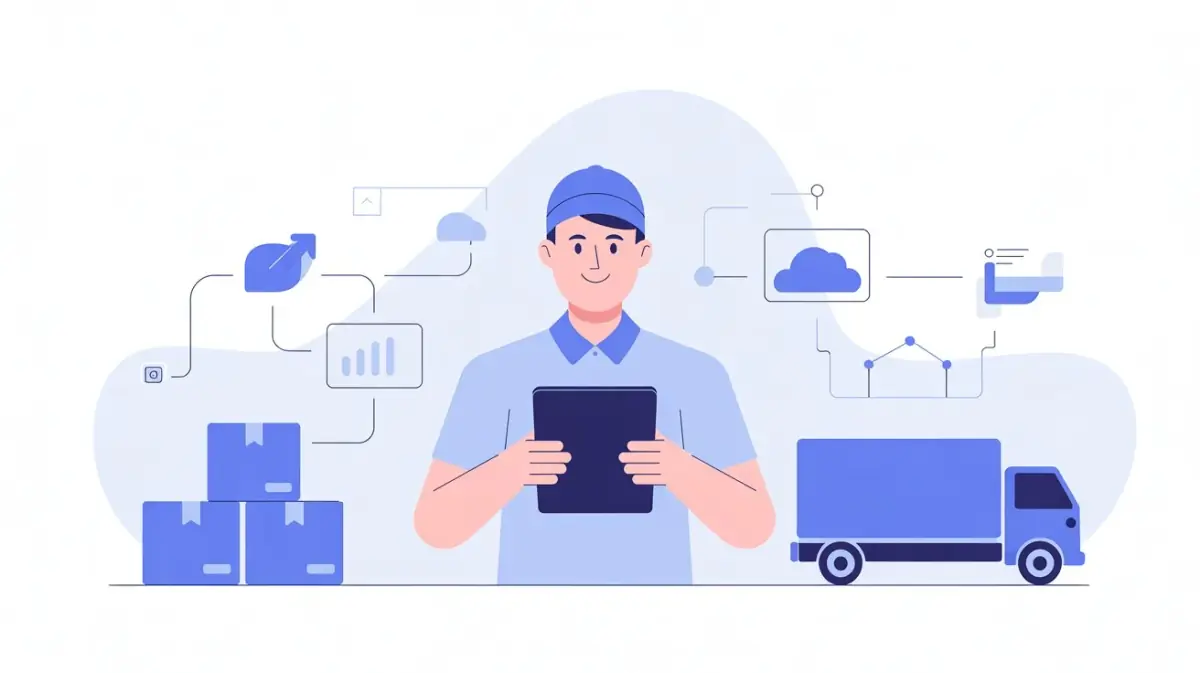
Suresh owns a small grocery chain with 4 stores in Pune. Every morning, he used to drive from store to store checking what products were running low. By evening, he was tired and often forgot to order important items. Customers would come looking for rice or oil, only to find empty shelves. Today, Suresh manages his entire supply chain from his phone. His stores never run out of stock, and his profits have increased by 60%. This is his story of supply chain modernization.
Understand What Supply Chain Really Means for Your Business
Many small business owners think supply chain is only for big companies. This is wrong. Every business has a supply chain, even if it's simple.
Your supply chain includes:
- Your suppliers - Where you buy products from
- Your storage - How you keep products in your shop or warehouse
- Your sales - How products reach your customers
- Your information flow - How you track everything
Common supply chain problems in small businesses:
- Stock-outs - Running out of popular items when customers need them
- Overstocking - Buying too much of items that don't sell quickly
- Manual tracking - Writing everything on paper leads to mistakes
- Poor supplier communication - Not knowing when suppliers will deliver
- No visibility - Not knowing what's happening in real-time
Suresh faced all these problems. His biggest challenge was not knowing which store needed what products. He would carry items from one store to another, wasting time and money.
The turning point: When Suresh realized that supply chain is just about getting the right product to the right place at the right time, everything became clear.
Start with Simple Digital Tracking
You don't need expensive software to begin modernizing your supply chain. Start with basic digital tracking.
Easy steps to begin:
Easy steps to begin:
Create a digital inventory list
- List all products you sell
- Note minimum quantities you should always have
- Update this list when you receive new stock
Track your best-selling items
- Record which products sell fast
- Note seasonal patterns (like umbrellas in monsoon)
- Identify slow-moving items
Monitor supplier performance
- Keep records of delivery times
- Track which suppliers are most reliable
- Note price changes over time
Set up stock alerts
- Use simple apps that warn you when stock is low
- Create reminders for regular orders
- Track expiry dates for perishable items
Real example: A small pharmacy in Chennai started using a simple spreadsheet to track medicines. Within one month, they reduced stock-outs by 70%. Customers stopped going to other pharmacies because medicines were always available.
Modern platforms like Bharatrath automate this entire process, giving you real-time visibility across all locations without manual work.
Connect Your Entire Business Network
A modern supply chain is like a well-connected network where everyone knows what's happening.
Key connections to establish:
- Supplier integration
- Share your sales data with key suppliers
- Get automatic notifications about new products
- Negotiate better prices based on buying patterns
- Set up automatic reordering for fast-moving items
- Multi-location coordination
- Connect all your stores or warehouses digitally
- Transfer stock between locations based on demand
- Share inventory information across all locations
- Coordinate deliveries to avoid confusion
- Customer demand prediction
- Analyze past sales to predict future needs
- Plan inventory based on festivals and seasons
- Identify trending products early
- Adjust stock levels based on local preferences
- Real-time communication
- Instant updates when stock moves between locations
- Immediate alerts for urgent restocking needs
- Quick communication with suppliers and delivery partners
- Automated reports for better decision making
Success story: A textile distributor in Surat connected his 3 warehouses digitally. Now when a customer in Mumbai orders fabric, the system automatically checks which warehouse has stock and arranges delivery. His delivery time improved from 5 days to 2 days, and customers are much happier.
Bharatrath's supply chain features make such coordination possible even for smaller businesses by providing a single platform to manage suppliers, warehouses, and customer demands.
Use Data to Make Smart Supply Chain Decisions
The biggest advantage of a modern supply chain is the data it provides. This data helps you make smarter business decisions.
Important data to track:
- Demand patterns
- Which products sell more on weekends
- Seasonal variations in different product categories
- Impact of weather on sales
- Local festival effects on demand
- Supplier performance metrics
- Average delivery times for each supplier
- Quality consistency over time
- Price stability and trends
- Reliability during peak seasons
- Inventory optimization data
- How long different products stay in stock
- Storage costs for slow-moving items
- Optimal reorder quantities for each product
- Impact of promotions on inventory turnover
- Financial insights
- Which products give maximum profit margins
- Cost savings from better supplier negotiations
- Reduction in waste and expired products
- Overall improvement in cash flow
Making decisions with data:
- Predictive ordering: Order products before you run out, based on sales trends
- Seasonal planning: Prepare for festivals and seasons with right inventory
- Supplier optimization: Choose suppliers who consistently perform well
- Price negotiations: Use your buying patterns to negotiate better rates
Real transformation: A small electronics retailer in Kolkata started analyzing his sales data. He discovered that phone accessories sold 3 times more during college admission season. Now he stocks up accordingly and his accessory sales have doubled during that period.
The modern advantage: Tools like Bharatrath provide these analytics automatically, turning complex data into simple insights that any business owner can understand and act upon.
The Real Impact of Supply Chain Modernization
When your supply chain works smoothly, your entire business improves:
- Customers are happy because products are always available
- Costs reduce because you waste less and buy smarter
- Profits increase because you sell more and spend efficiently
- Stress decreases because everything runs automatically
- Growth becomes possible because you can handle more business easily
Starting Your Modernization Journey
You don't need to change everything overnight. Start with one area:
- Week 1: Begin digital tracking of your top 10 products
- Week 2: Set up basic stock alerts
- Week 3: Improve communication with your main supplier
- Week 4: Analyze your first month's data
Remember Suresh's transformation didn't happen in one day. He started small, learned gradually, and kept improving. Today, his modern supply chain gives him time to focus on growing his business instead of just managing daily problems.
Whether you use simple apps or comprehensive platforms like Bharatrath, the key is to start moving from manual to digital, from reactive to predictive, and from isolated to connected operations.